There were no steelhead fishermen on the Clearwater. Or so few that we might as well have had the river to ourselves. It was an unfamiliar sight on a river where, in better years, finding an empty stretch of water could be more difficult than finding a fish. But this was not one of those years.
Somewhere along the way, I stopped fishing for steelhead. There was no particular reason, no conscious decision to give them up. Family, career, other rivers, and other fish gradually occupied my time, and years passed before I noticed what had slipped away. By the time I found myself standing on the bank of Idaho's Clearwater River this past September, it had been years since I'd deliberately gone looking for one.
Not that I hadn't encountered steelhead in the years between. A few seasons ago, while swinging streamers for coho on Michigan's Manistee River, a steelhead intercepted my fly.
This year, I decided it was time to fish for steelhead again.
My friend JC and I made plans, and after a few days fishing in Wyoming in early September, we drove north to the Clearwater. The news wasn't encouraging. Historical accounts describe tens of thousands of steelhead returning to the Clearwater drainage each year. Early fall 2026 forecasts, based on fish counts at the dams downstream, suggested an exceptionally poor return.
Still, I was there, the weather was pleasant, and between outings for cutthroat, we took the boat out to spend some time on the river and see what we could learn.
There was hardly anyone to ask.
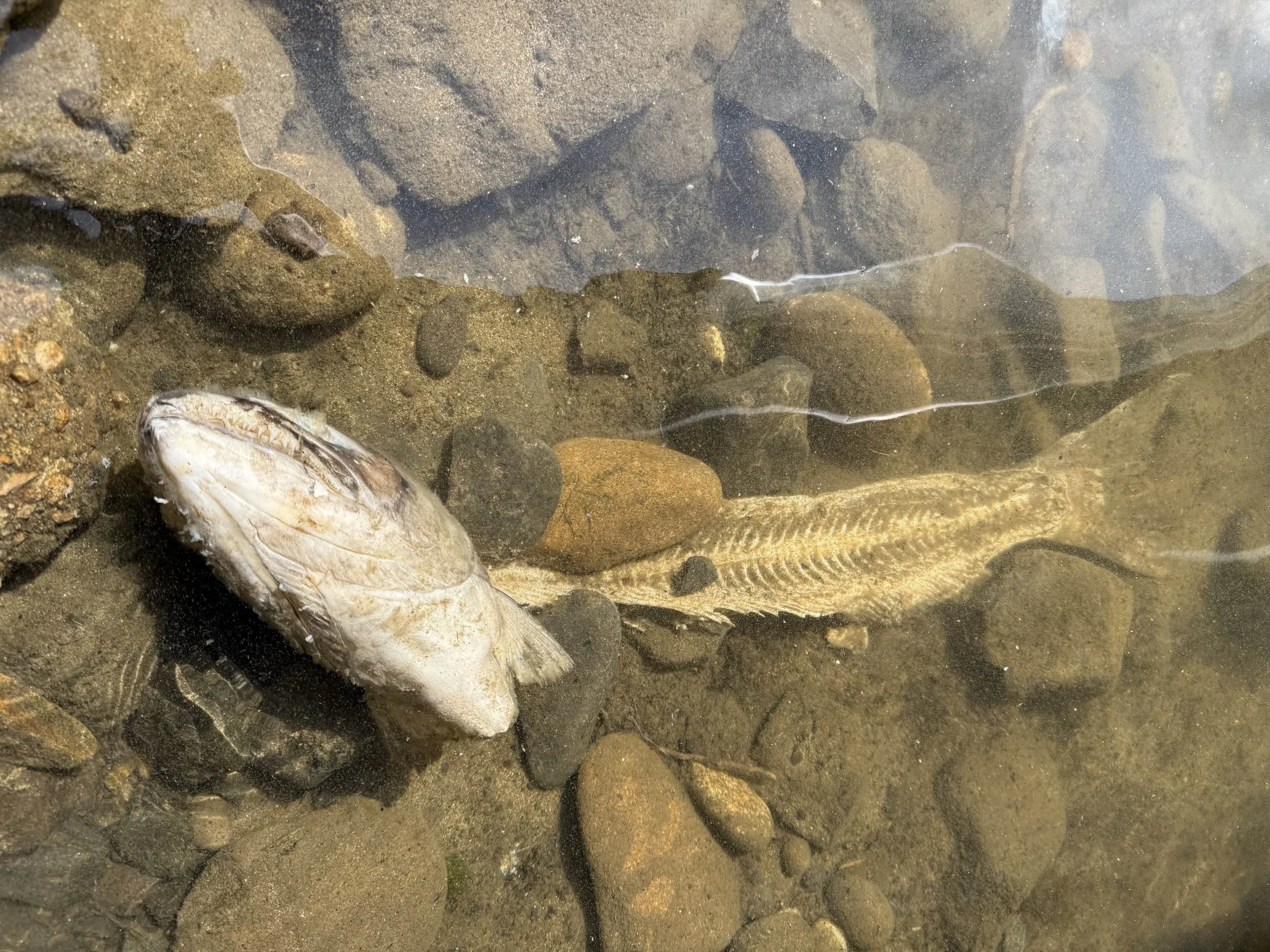
JC, who has guided steelhead anglers on the Clearwater for years, didn't spot a single fish. Near one of the boat ramps, we found the remains of a steelhead someone had caught and filleted. It was the only evidence of a fish we encountered all day.
Sunday, I drove south toward Boise along the Salmon River. There were no boats on that river either. Perhaps everyone had heard the same reports and decided to spend the day elsewhere. Perhaps, like us, they had simply decided to leave the steelhead alone.
In October, I read that Idaho Fish and Game had closed steelhead harvest on the Clearwater, although catch-and-release fishing would still be permitted.
For thousands of years, steelhead have made their way inland through the Columbia River basin, following a route older than the roads, towns, and dams that now mark their passage. Each autumn, some begin the long journey toward the Clearwater and its tributaries, returning to waters they have known only briefly, but somehow remember their way home.
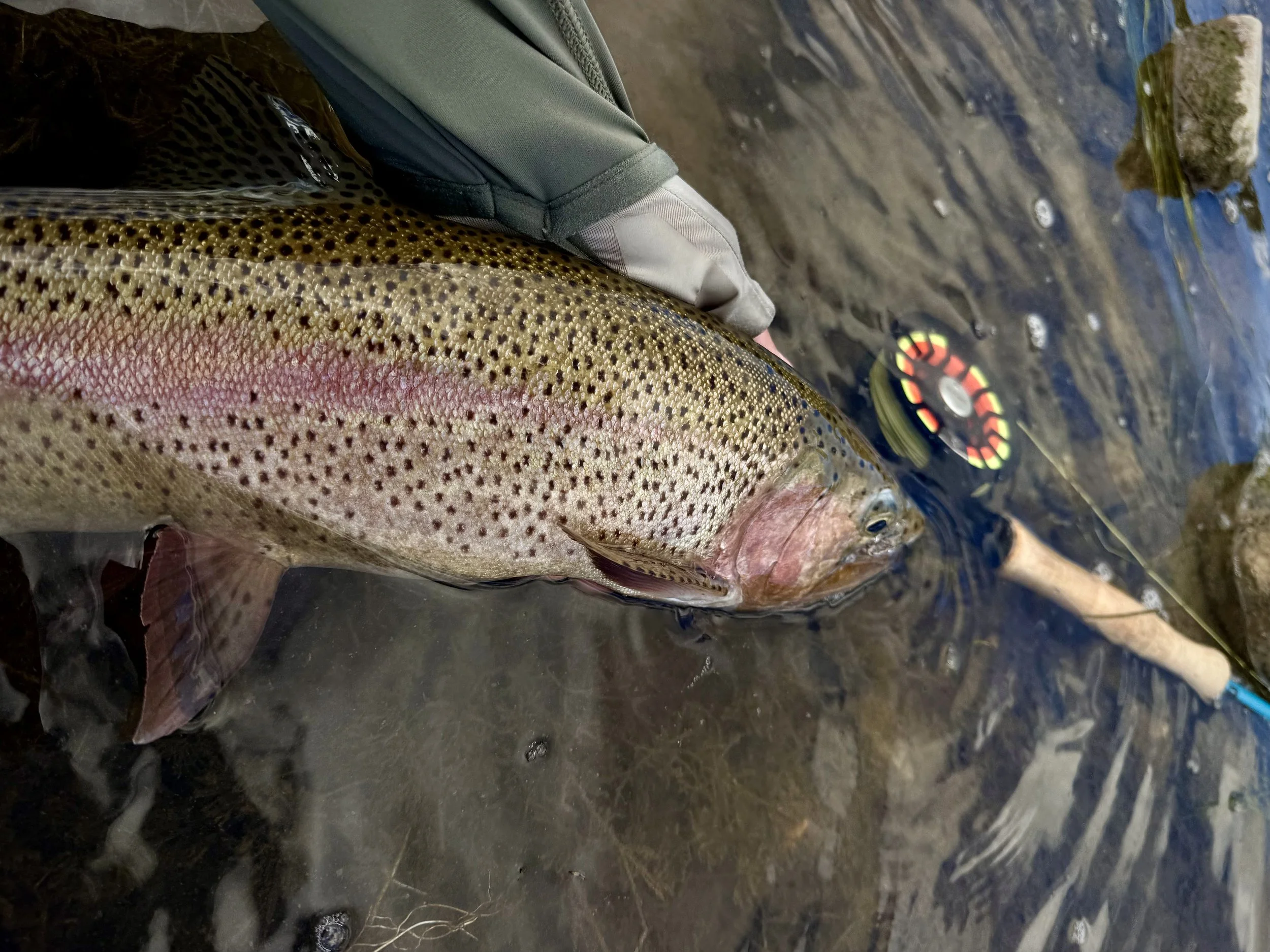
Ironically, the last steelhead I'd caught wasn't supposed to be a steelhead. Two years ago, in late spring I was fishing for cutthroat on Idaho's Lochsa River. While stripping a Kreelex streamer using a six-weight trout rod, a fish that had traveled some 600 miles from the Pacific decided to eat it. It was an unclipped, or wild, fish that I briefly borrowed from the river before releasing it to resume its journey.
I have found my way back to the Clearwater. I can only hope the wild steelhead will continue to find theirs.