Reflections - Excellence in Craft: Writing about fish, writing about people
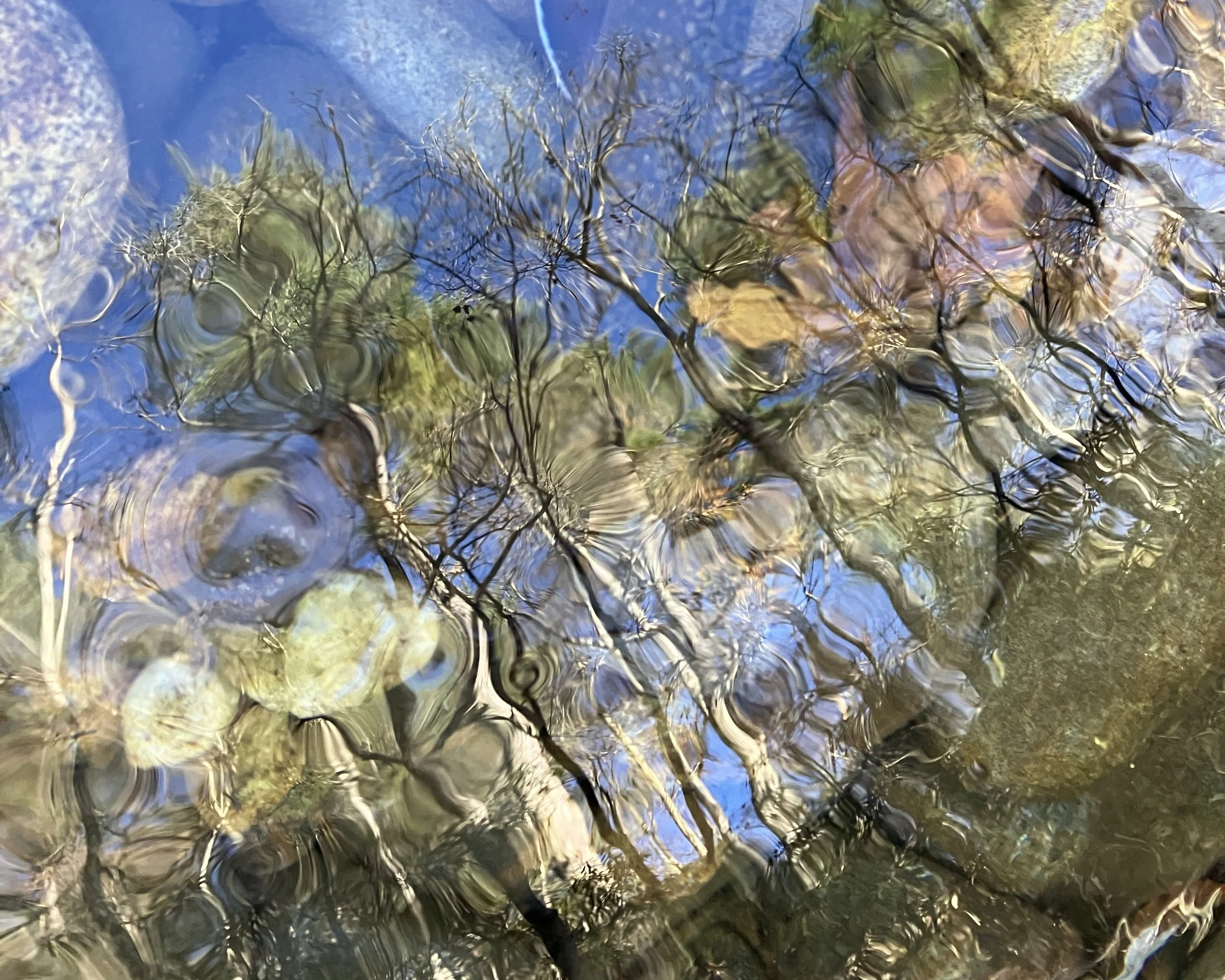
Can you see what is hidden beneath?
Last weekend in Darien, Georgia, I was honored to receive two Dean Wohlgemuth Excellence in Craft awards from the Georgia Outdoor Writers Association. The River Judges Not received 1st Place recognition, while The Novice, Avoiding The Hat, and The Payoff received 3rd Place.
On paper, the essays could not appear much more different.
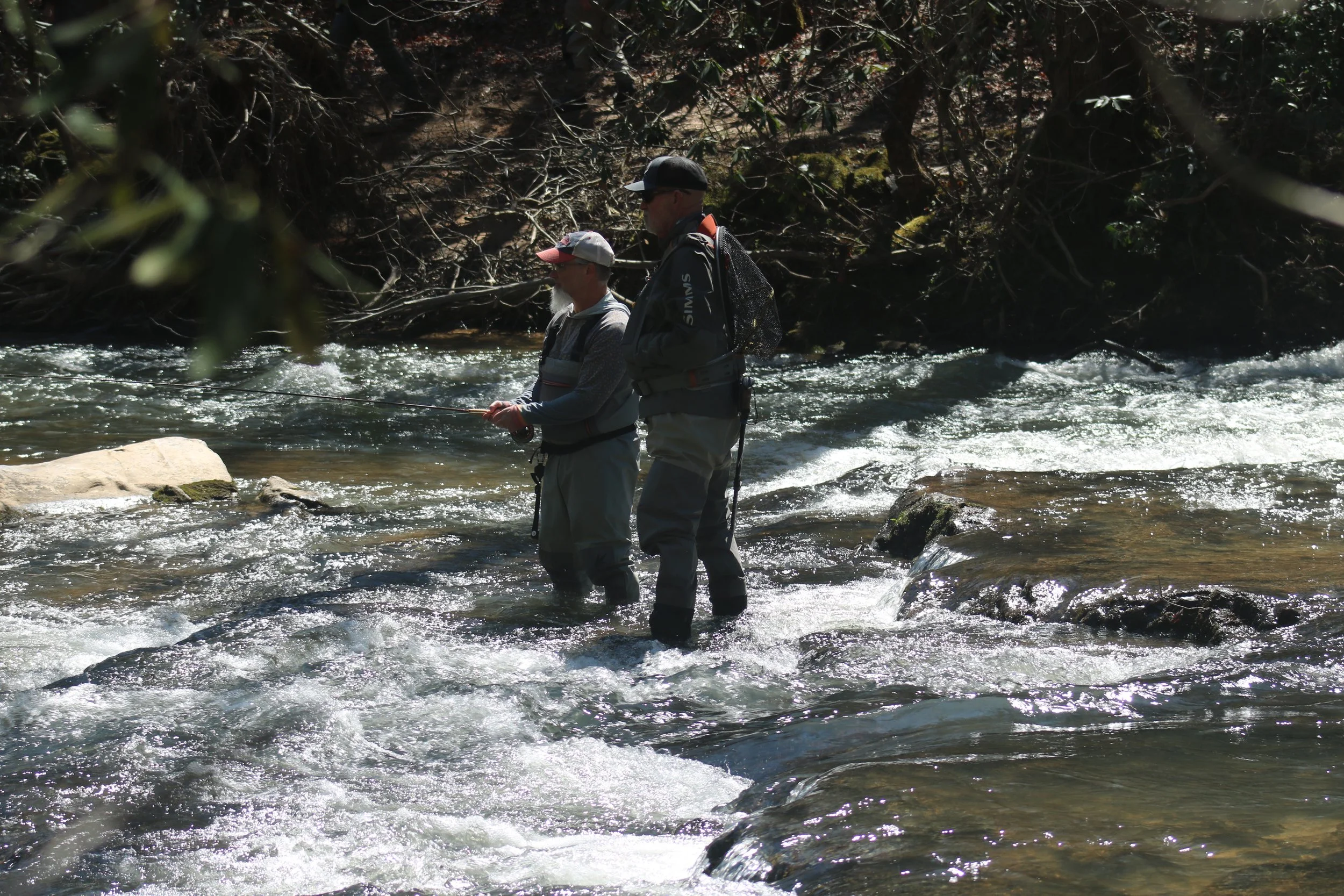
One is reflective and quiet, centered on a veteran standing at the edge of transition and uncertainty while spending a day flyfishing on the Etowah River. The other is built around tangled fly lines, failed hooksets, repeated near disasters, and a novice angler who somehow managed to fall into the river before instruction even began.
One essay leans toward contemplation. The other toward comedy.
But after thinking about the two pieces together during the long drive home from the coast, I realized they are ultimately concerned with the same thing.
People.
Outdoor writing is often categorized by activity. Flyfishing writing. Bird hunting writing. Sporting literature. Conservation writing. Those labels are useful enough for bookshelves and magazine headings, but the longer I write, the less convinced I become that the best outdoor stories are really about fish or birds at all.
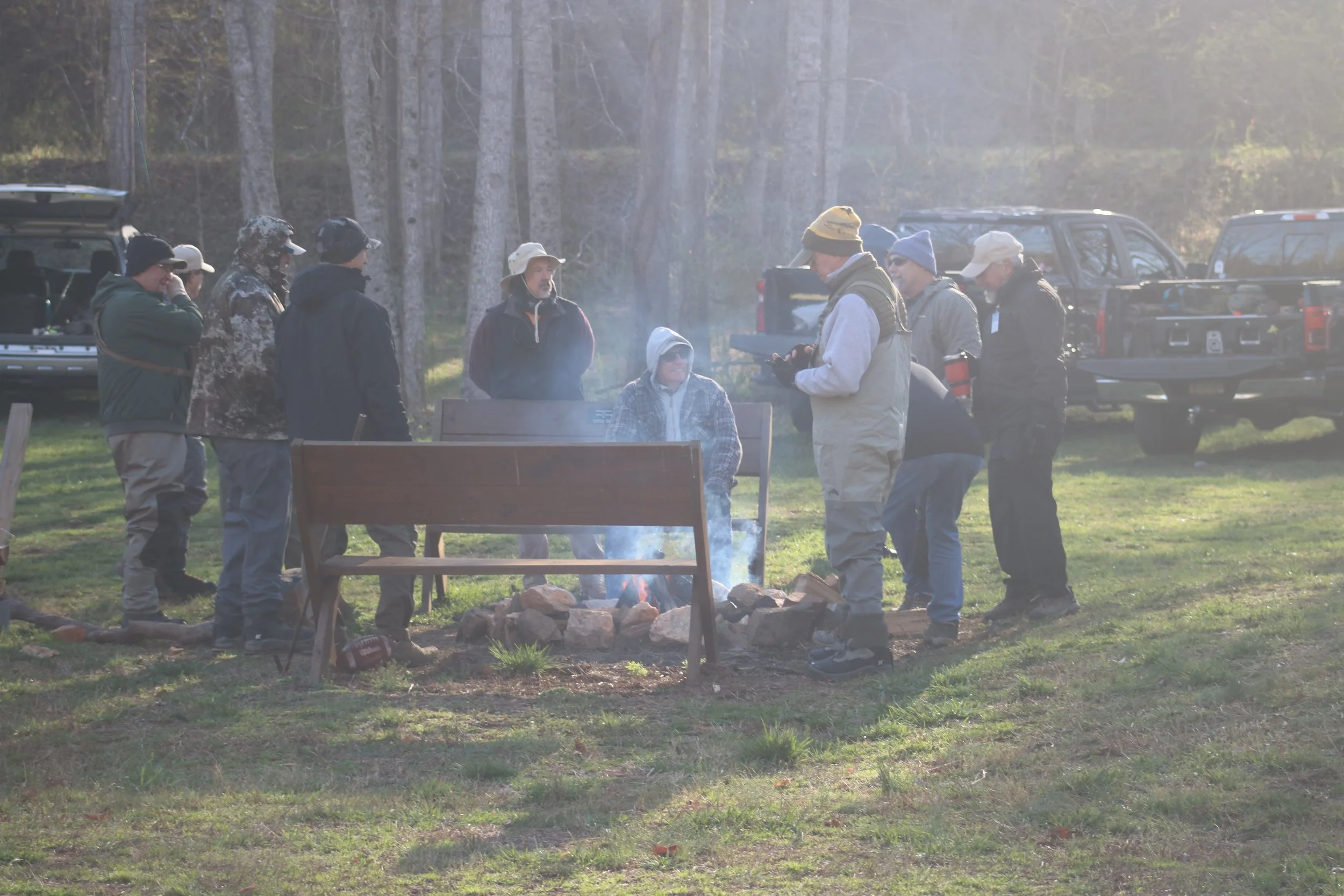
They are about identity. Trying. Failure. Patience. Friendship. Aging. Learning. The search for meaning. The need to be heard. The ways people reveal themselves differently beside moving water or under a wide autumn sky.
The landscapes matter because they strip away much of the noise of the hectic and demanding modern world we live in. Few people go to the dance club downtown on a Friday night in order to collect their thoughts and seek peace. They go somewhere they can be connected to places, and to a language deeper than the spoken one.
Water, and rivers, in particular, seem uniquely indifferent to the categories humans cling to. The water does not care who we were before we stepped into it. It does not concern itself with titles, accomplishments, regrets, or uncertainty about what comes next. It simply moves forward.
What struck me most while writing “The River Judges Not” was not the fishing itself, but the realization that sometimes the greatest thing one person can offer another is simple attention. Not advice or solutions. Just the willingness to listen honestly without trying to immediately shape or correct what is being said.
“The Novice, Avoiding The Hat, and The Payoff” arrived at a similar conclusion from an entirely different direction. Beneath all the humor and chaos was a story about persistence and investment — about what happens when someone keeps doggedly trying despite repeated failure, and another person quietly decides they are going to help them succeed no matter how long it takes.
The awards were deeply meaningful to me, certainly. Every writer is grateful to know their work connected with readers and peers. But more than recognition, they felt like encouragement to continue pursuing the kind of stories that ask us to slow down, pay attention, and look carefully at one another. The kind of stories that I think need to be told now more than ever.